
About Taking Sides
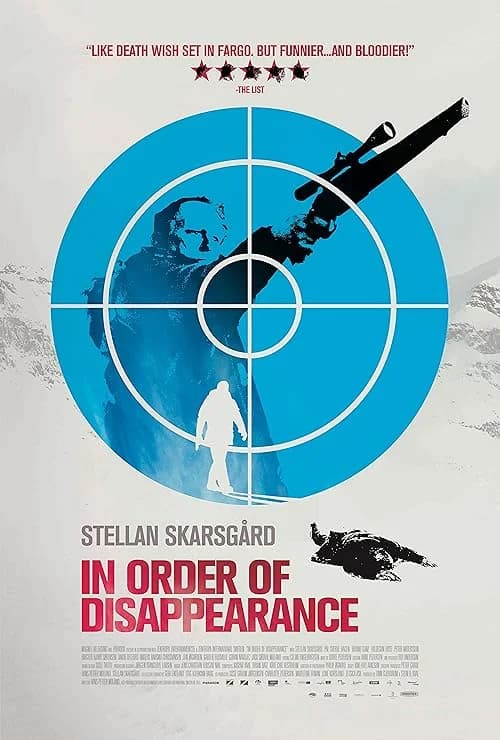
Taking Sides (2001) presents a compelling moral drama set in the aftermath of World War II, focusing on the real-life investigation of renowned German conductor Wilhelm Furtwängler. Directed by István Szabó, the film explores the complex intersection of art, politics, and personal responsibility through the tense interrogation between Furtwängler (Stellan Skarsgård) and American investigator Major Steve Arnold (Harvey Keitel).
Skarsgård delivers a nuanced performance as the conductor who claims artistic neutrality, arguing that music exists beyond political regimes, while Keitel's relentless investigator represents the moral outrage of those who believe collaboration with evil cannot be excused. The film masterfully avoids simplistic judgments, instead presenting both perspectives with equal weight, forcing viewers to grapple with difficult questions about artistic responsibility during times of tyranny.
Szabó's direction creates a claustrophobic atmosphere that mirrors the psychological intensity of the interrogation room, while flashbacks to Furtwängler's wartime performances add emotional depth. The supporting cast, including Moritz Bleibtreu and Birgit Minichmayr, provide additional perspectives on Germany's collective guilt and denial.
Viewers should watch Taking Sides for its intelligent exploration of ethical dilemmas that remain relevant today, particularly regarding the relationship between artists and political power. The film's balanced approach to a controversial historical figure, combined with outstanding performances and thoughtful direction, makes it a rewarding experience for anyone interested in historical dramas, moral philosophy, or classical music history.
Skarsgård delivers a nuanced performance as the conductor who claims artistic neutrality, arguing that music exists beyond political regimes, while Keitel's relentless investigator represents the moral outrage of those who believe collaboration with evil cannot be excused. The film masterfully avoids simplistic judgments, instead presenting both perspectives with equal weight, forcing viewers to grapple with difficult questions about artistic responsibility during times of tyranny.
Szabó's direction creates a claustrophobic atmosphere that mirrors the psychological intensity of the interrogation room, while flashbacks to Furtwängler's wartime performances add emotional depth. The supporting cast, including Moritz Bleibtreu and Birgit Minichmayr, provide additional perspectives on Germany's collective guilt and denial.
Viewers should watch Taking Sides for its intelligent exploration of ethical dilemmas that remain relevant today, particularly regarding the relationship between artists and political power. The film's balanced approach to a controversial historical figure, combined with outstanding performances and thoughtful direction, makes it a rewarding experience for anyone interested in historical dramas, moral philosophy, or classical music history.